


Designing Impactful Business Conferences: From Leadership Strategy to Thought Leadership

Introduction: Why Most Conferences Are Busy but Not Impactful
Many business conferences succeed operationally but fail strategically. They attract attendees, fill agendas, and run on schedule yet leave little lasting impression. The reason is simple: impact is not a by-product of scale or logistics. It is the result of intentional design.
Impactful conferences are planned as strategic experiences. They communicate authority, shape perspective, and reinforce leadership credibility. This requires a different mindset , one that moves beyond event execution into conference architecture, narrative control, and planning discipline.
This article explores what makes business conferences impactful, how leadership summits differ, the challenges of scale, the role of speaker coordination, the importance of realistic planning timelines, and how conferences support long-term thought leadership.
What Truly Makes a Business Conference Impactful
Impact in business conferences is often confused with visibility. However, experienced corporate leaders evaluate conferences differently. They assess:
Was the content relevant and insightful?
Did leadership messaging feel intentional?
Did the experience respect their time and attention?
Did the conference leave clarity or confusion?
An impactful conference achieves alignment. It ensures that content, speakers, flow, and experience work together to deliver a clear message.
Content That Is Curated, Not Compiled
High-impact conferences do not simply stack sessions. They curate conversations. Topics are chosen for relevance, sequencing is deliberate, and redundancy is avoided.
More sessions do not equal more value. In fact, restraint often increases impact.
Experience That Protects Focus
Even the strongest content loses value if the experience is distracting. Poor acoustics, rushed transitions, unclear agendas, or disorganized movement dilute attention. Impactful conferences design the environment to support listening, thinking, and engagement.
Leadership Summits: A Different Planning Philosophy
Leadership summits operate in a fundamentally different category from general business conferences. Their purpose is not visibility, it is depth and decision-making.
Smaller Scale, Higher Stakes
Leadership summits typically involve fewer participants, but the consequences of failure are higher. These events often influence strategy, alignment, and organizational direction.
Dialogue Over Performance
Unlike conferences designed for large audiences, leadership summits prioritize:
Facilitated discussion
Strategic dialogue
Confidentiality
Controlled environments
Overproduction can undermine seriousness. Planning focuses on clarity, comfort, and discretion.
The Hidden Challenges of Large Conferences
As conferences grow in size, complexity increases exponentially not linearly.
Large conferences introduce:
Multiple parallel sessions
High footfall and movement challenges
Increased speaker unpredictability
Greater technical load
More stakeholders and approvals
Most conference failures at scale are not caused by lack of effort, but by lack of systems. Without structured planning frameworks, scale quickly exposes weaknesses.
Speaker Coordination as a Strategic Discipline
Speakers are central to conference credibility and one of the most unpredictable elements.
Professional conference planning treats speaker coordination as risk management, not logistics.
This includes:
Early briefing on objectives and audience context
Clear session timing and boundaries
Content alignment with the broader narrative
Technical rehearsals and stage familiarization
Backup planning for delays or last-minute changes
When speakers feel prepared and supported, sessions run on time and message consistency improves.
Why Planning Timelines Define Conference Quality
One of the most common reasons conferences feel rushed or compromised is insufficient planning time.
Business conferences require time to:
Curate meaningful content
Align leadership messaging
Confirm and brief speakers
Coordinate multiple vendors
Build and test registration systems
Conduct rehearsals
As a strategic benchmark:
Large conferences benefit from 4–6 months of planning
Medium conferences from 3–4 months
Even internal business conferences from at least 2–3 months
Early planning enables thoughtful decisions. Late planning forces compromises.
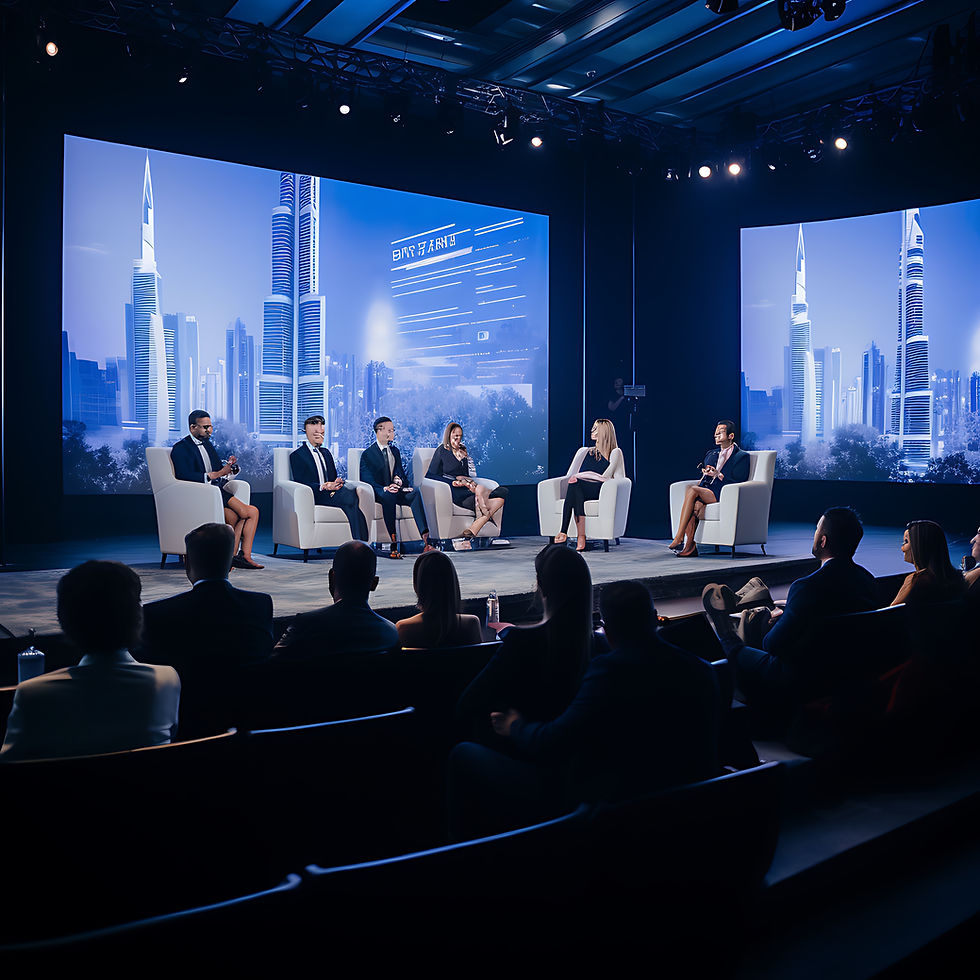
Conferences as Platforms for Thought Leadership
Thought leadership is demonstrated, not declared. Conferences provide organizations with a rare opportunity to shape industry conversation by convening the right voices around the right topics.
When designed intentionally, conferences:
Position organizations as industry conveners
Demonstrate depth of understanding
Enable credible dialogue
Build long-term reputation
However, thought leadership collapses quickly when execution feels disorganized. Authority is reinforced not just by ideas, but by how confidently those ideas are delivered.
Why Professional Conference Planning Matters
Business conferences sit at the intersection of:
Brand reputation
Leadership visibility
Stakeholder trust
Operational risk
Professional planners bring structure to this intersection through:
Strategic framing
Content and narrative alignment
Speaker and stakeholder coordination
Risk mitigation
Execution discipline
This ensures conferences are not merely well-run, but meaningful, credible, and impactful.
How Shreyas Corporate Club Helps
Shreyas Corporate Club approaches business conferences as platforms for influence and credibility, not just gatherings.
By aligning conference objectives with organizational intent, curating content and speakers strategically, enforcing realistic planning timelines, and managing execution with discipline, the team ensures conferences deliver clarity, authority, and lasting impact.
Whether it is an industry conference, leadership summit, or business meet, Shreyas Corporate Club brings the structure and foresight required to manage scale without compromising quality.
Conclusion: Impactful Conferences Are Designed With Intent
Business conferences that matter are not assembled at speed. They are designed deliberately, with clarity of purpose, disciplined planning, and professional execution.
When conferences are approached as strategic experiences rather than logistical challenges, they become powerful tools for leadership, alignment, and thought leadership.
Planning a business conference where credibility, leadership presence, and impact truly matter? Partner with experienced conference planners who design for clarity, control, and long-term influence.


Comments